Bracelet Trends for Women 2026
The most beautiful jewelry edits are never built by accident. They are built through balance: softness and shine, structure and movement, everyday ease and occasion polish. This 2026 bracelet edit gathers those ideas into one carefully styled destination, bringing together wrist pieces that feel elegant, modern, and easy to wear.
From sculptural cuffs and smooth bangles to delicate chains, luminous stackable sets, and refined evening accents, the focus here is simple: jewelry that elevates dressing with grace. Each section is arranged like a fashion magazine guide—meant to help visitors browse by mood, silhouette, finish, and wardrobe need rather than scroll through a category without direction.

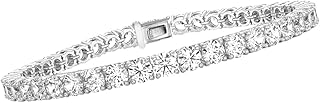


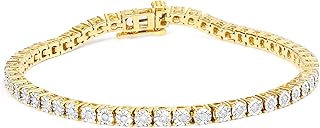
A classified jewelry destination with a fashion-editor rhythm
This page is built to feel less like a generic product wall and more like a curated magazine feature. The category direction draws from a bracelet-focused jewelry source page that frames the space as a dedicated bracelets destination, reinforcing a clear category lens for styling and browsing.
What follows is a long-form guide to wearing, choosing, layering, gifting, and styling bracelets with elegance. Instead of relying on one mood, the edit moves through different forms of polish—minimal, romantic, sculptural, bold, and luminous—so visitors can browse with intention.
A Modern Jewelry Wardrobe Begins at the Wrist
There are seasons when fashion announces itself with a headline, and there are seasons when it whispers with precision. In 2026, bracelets belong to the second category. They do not need to dominate a look to define it. A slim bangle under the cuff of a tailored shirt, a sculpted open cuff beside a soft knit sleeve, a delicate chain catching the light at the end of a blazer sleeve, or a layered wrist stack grounding a relaxed linen dress—these are the details that make a wardrobe feel considered rather than merely complete. Bracelets are no longer treated as afterthoughts or impulse extras. They have become one of the clearest signals of personal taste because they sit at the intersection of elegance, rhythm, movement, and everyday wearability.
What makes the current bracelet conversation especially compelling is its balance between polish and ease. The best pieces do not ask a woman to choose between statement and subtlety. Instead, they offer a spectrum: clean cuffs that read architectural, chain bracelets that feel relaxed but refined, tennis-inspired silhouettes that introduce light and sparkle without feeling overdone, and soft mixed-metal compositions that allow a wardrobe to move fluidly between warm and cool tones. This is where contemporary jewelry feels most alive—when it behaves like styling rather than decoration alone.
The appeal is also practical. A bracelet is one of the easiest ways to refresh familiar dressing without rebuilding an entire closet. It can sharpen a white shirt, soften a structured jacket, add femininity to denim, bring sophistication to a monochrome knit set, or make a simple day dress feel finished. It is compact enough for everyday habit, expressive enough for occasion dressing, and versatile enough to follow the pace of modern life. Whether the mood is polished minimalism, romantic layering, quiet luxury, or bold, sculptural glamour, the right bracelet can carry that mood with remarkable clarity.
This edit is built for women who want jewelry that feels current, beautiful, and genuinely wearable. It is organized with the eye of a fashion editor and the discipline of a designer: shape, finish, proportion, texture, tone, versatility, and visual harmony all matter. Rather than treating the category as one long stream of similar pieces, this guide moves through the bracelet landscape with intent. It considers stackability, silhouette, material presence, day-to-evening transition, wardrobe pairing, gifting appeal, and styling mood. The result is a more graceful way to shop: not by scrolling without direction, but by learning how each style behaves in real life and how each one can elevate a personal wardrobe with ease.
The Bracelet Shapes Defining 2026
The strongest bracelet edit of 2026 begins with silhouette. Shape is what determines whether a piece feels delicate, assertive, romantic, directional, or timeless. It is the visual architecture of the wrist. Among the most desirable forms this year are rounded bangles with softened edges, open cuffs with sculptural lines, chain-link pieces that alternate between sleek and chunky proportions, slim tennis-inspired profiles that bring brightness without heaviness, and stackable combinations built from multiple fine elements rather than one single oversized statement. Each has a different emotional tone, which is why bracelet styling now feels more nuanced than it did a few seasons ago.
Rounded bangles continue to hold enormous appeal because they deliver confidence without noise. Their curves echo classic jewelry codes, yet the best versions feel contemporary through finish and scale. Some are crisp and polished, designed for clean office dressing and minimal wardrobes. Others are slightly thicker, offering enough volume to act as a focal point. What keeps them modern is restraint. They are neither too ornate nor too heavy. They feel intentional, smooth, luminous, and quietly expensive. A woman can wear one alone and achieve a refined result, or layer two or three to create a soft, rhythmic movement at the wrist.
Open cuffs bring a different language. They are more architectural, often more directional, and naturally more editorial. Because they frame the wrist rather than fully circle it, they create negative space, and that negative space is what makes them feel elevated. A cuff has the power to sharpen relaxed dressing instantly. Pair one with a rolled shirt sleeve, a sleeveless knit, or a fluid dress and the entire outfit becomes more deliberate. The most beautiful cuffs in 2026 avoid excessive bulk. Instead, they rely on clean shaping, curved edges, subtle texture, or a fluid asymmetry that feels closer to sculpture than costume.
Chain bracelets remain essential because they introduce movement and softness. A paperclip chain reads sleek and metropolitan. A Cuban-inspired link feels stronger and more grounded. A finer chain with subtle accents can feel romantic and almost whisper-light. Their appeal lies in their adaptability. Chain bracelets can layer with watches, mix well with bangles, and work across casual daywear, tailored separates, and dressier evening looks. They bring personality without rigidity, and that makes them invaluable in modern styling.
Then there is the new generation of sparkle-forward bracelets, especially tennis-inspired silhouettes and stone-accented designs. Their role has shifted. They are no longer reserved for formal dressing. Worn with a crisp poplin shirt, a cashmere crewneck, or a simple tank and blazer, they feel chic rather than ceremonial. This is one of the most elegant developments in contemporary jewelry styling: brilliance is being folded into daily life with far more sophistication. It is not about excessive shine. It is about using light thoughtfully.
Finally, stackable compositions deserve their own category because they are not defined by one piece but by a conversation between pieces. A narrow bangle beside a chain, a fine bracelet beside a cuff, a delicate stone line beside a polished gold element—these pairings create individuality. They let the wearer control intensity, mood, and finish. The best stacks feel edited, not crowded. They use contrast while maintaining harmony. In 2026, a great wrist stack is less about quantity and more about curation.


Color, Finish, and Metal Harmony
Jewelry trends are often discussed in terms of shape, but color is just as important. The tone of a bracelet determines whether it melts into a look or stands apart from it. Warm gold finishes continue to dominate for their softness and immediate flattering effect against skin, especially when worn with cream, camel, chocolate, black, ivory, and rich jewel tones. Gold reads luminous, sensual, and confident. It catches light beautifully and tends to create a sense of polish even when the rest of the outfit is simple. For many women, it is the easiest way to make casual dressing feel elevated.
Silver, by contrast, carries a cooler clarity. It feels crisp, clean, and urban. It works beautifully with charcoal, white, black, navy, powder blue, dove gray, and deep plum. Silver bracelets can feel sharper and more modern, particularly when the design is minimal or geometric. They are also ideal for women who like their jewelry to feel fresh, bright, and slightly directional. In 2026, silver is particularly compelling in chain formats, smooth cuffs, and slim, architectural silhouettes that reinforce its clean energy.
One of the most relevant styling evolutions is the continued rise of mixed-metal jewelry. The old rule that a woman must choose only one tone has softened considerably. Mixed metal feels sophisticated when it is handled with intention. It makes a bracelet wardrobe more versatile because it can connect warm and cool accessories across the rest of the look. A mixed stack also feels contemporary, especially when one metal is allowed to lead and the other appears as a subtle counterpoint. The result is dynamic without being chaotic.
Finish matters just as much as metal choice. High-polish surfaces project confidence and formality. Brushed or satin finishes feel quieter and more understated. Hammered textures introduce a handcrafted note that can soften clean tailoring or bring depth to monochrome outfits. Pavé or crystal-like accents create brightness and delicacy. The most luxurious jewelry wardrobes mix these finishes thoughtfully, using contrast to keep the wrist visually interesting. A polished cuff beside a softer chain, or a smooth bangle beside a subtle textured piece, often creates more depth than a uniform set.
This year’s most elegant bracelet styling does not rely on novelty color. Instead, it works within a sophisticated palette: gold, silver, champagne, clear stone, pearl-like brightness, black accents, and occasional soft blush or neutral embellishment. These tones fit seamlessly into the broader fashion conversation around refined dressing, designer minimalism, and wardrobe longevity. When jewelry is chosen in this way, it becomes easier to wear it repeatedly without fatigue. A bracelet should not feel tied to one outfit or one mood. It should feel like part of a personal visual language.

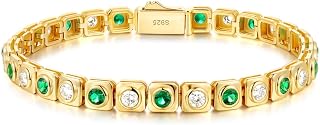


How to Build a Classy Bracelet Stack
A beautiful bracelet stack starts with restraint. The goal is not to cover the wrist in as many pieces as possible, but to create a layered composition that feels effortless and elegant. The first decision is scale. Begin with one anchor piece: perhaps a polished bangle, an open cuff, or a chain bracelet with enough visual presence to establish direction. That anchor becomes the center of gravity. Around it, choose one or two supporting pieces with lighter weight, finer lines, or complementary texture. Think of the stack as styling in miniature. There should be contrast, but there should also be breathing room.
One of the most reliable formulas for a polished stack is structure plus softness. Pair a smooth cuff with a delicate chain. Combine a sleek bangle with a finer bracelet that introduces movement. Add a stone-accented line to a strong metal shape so the wrist gains both light and form. This approach prevents the stack from feeling flat. It also makes the overall look more wearable, because the bracelets interact rather than compete. In visual terms, the eye moves across the wrist with ease.
Another effective formula is tone-on-tone layering. If gold is the chosen metal story, use different expressions of gold rather than different colors. A high-polish piece beside a softly brushed one, or a slim gold line next to a chunkier chain, can be more sophisticated than mixing too many unrelated elements. The same logic applies to silver. Monochrome metal dressing feels especially luxurious because it looks curated. It carries the quiet assurance of a woman who understands proportion.
Balance with clothing is equally important. A stack worn with a tailored blazer sleeve may need cleaner lines and a slightly slimmer profile so it sits neatly at the wrist. A summer dress can carry a more relaxed, layered stack because the arm is visible and the mood is lighter. Knitwear often benefits from one strong bracelet rather than too many, while sleeveless tops invite more layering and movement. In every case, the stack should feel as though it belongs to the garment. Jewelry becomes most beautiful when it responds to fabric, silhouette, and occasion rather than existing in isolation.
It is also worth considering sound and motion. Bracelets move; some touch, glide, and lightly chime against each other. That movement can feel elegant when it is controlled. Too many hard, bulky pieces can become visually and physically heavy. A refined stack leaves enough space for the wrist to move naturally. It should feel graceful to wear all day, not like a costume reserved for a photograph. True luxury is ease.
Perhaps the most overlooked element in stack building is negative space. Not every centimeter of the wrist needs to be occupied. A small gap between pieces can make each bracelet look better. It lets finishes catch light individually and prevents the stack from becoming a metallic blur. The most compelling stacks are edited. They know when to stop. That is what gives them polish.


Daytime Elegance: Bracelets for Everyday Wear
Everyday jewelry has to do more than look beautiful. It has to support the pace of life. It must feel comfortable in motion, easy to pair, and resilient in mood. This is why the best daytime bracelets of 2026 emphasize versatility over theatrics. They are elegant enough to refine simple outfits, yet relaxed enough to feel natural at brunch, in the office, during travel, on errands, or at dinner that was never meant to become an occasion but did. This everyday adaptability is what separates good jewelry from truly useful jewelry.
For daytime dressing, bracelets that sit close to the wrist tend to work best. Slim bangles, soft chain bracelets, fine cuffs, and delicate stacked combinations feel integrated rather than disruptive. They fit beneath sleeves, complement knits, and move comfortably through a long day. Their visual contribution is subtle but meaningful. They tell the story of polish without forcing it. A crisp white shirt, relaxed denim, loafers, and a fine gold bracelet can look more modern than a much louder styling choice. That is the strength of editing.
Casual outfits benefit especially from refined jewelry. A simple cotton dress, an oversized button-down, or a neutral tank and trousers combination gains immediate personality when the wrist is styled well. This is not about dressing up for the sake of appearance; it is about finishing the line of the body. Jewelry at the wrist draws attention to gesture, to how the hand moves, to the elegance of a sleeve pushed back or a tote held lightly in hand. It turns practicality into style.
Women who prefer a more minimalist wardrobe often discover that bracelets are among the easiest ways to create variety without breaking their visual language. A black knit set can feel sleek with a silver cuff, warm and luxurious with gold bangles, romantic with a fine bracelet that catches light, or more fashion-forward with mixed-metal layering. The clothing stays simple while the jewelry adjusts the mood. This flexibility is why bracelets deserve a stronger place in a modern wardrobe plan.
Comfort should never be underestimated. Pieces worn regularly need to feel smooth, balanced, and easy against the skin. They should not snag excessively, overwhelm the hand, or demand constant adjustment. A bracelet that a woman forgets she is wearing—until she catches it beautifully in the light—is often the one she returns to most. This kind of repeat wear creates the most authentic sense of signature style.

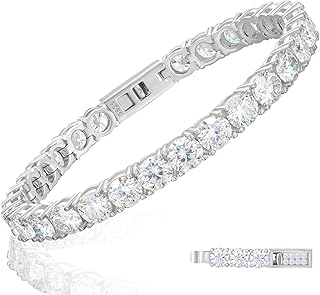



Evening, Occasion, and the Art of Light
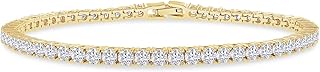
Evening jewelry does not need to become louder in order to become more memorable. In fact, the most sophisticated bracelet styling for events relies on focus, surface, and light rather than excess. The shift from day to evening often comes from choosing a piece with more brilliance, a more sculptural profile, or a cleaner, more intentional silhouette. A polished cuff on bare skin, a gleaming tennis-inspired line against black fabric, or a layered stack with subtle sparkle can transform a look with very little effort.
For cocktail dressing, bare shoulders, sleeveless lines, and smooth necklines create perfect conditions for bracelet emphasis. Because the arm is visible, the wrist becomes one of the strongest styling points in the outfit. A single strong bracelet can be enough. There is something profoundly elegant about restraint in evening dressing: the choice to let one beautifully shaped piece define the mood. On the other hand, a controlled stack of finer pieces can create a more fluid, glamorous effect, especially when light moves across multiple surfaces as the wearer gestures or holds a glass.
Stone-accented bracelets are particularly important in 2026 because they have shed their old formality. They are now styled with greater ease. Their sparkle is no longer treated as a special event requiring a ball gown. Instead, it is woven into contemporary occasionwear with intelligence. A sleek black column dress, a silk set, or a cream tailored suit can all support a refined sparkling bracelet beautifully. The result is modern glamour—cooler, cleaner, and more wearable than traditional high-shine styling.
Texture is equally significant at night. A high-polish metal finish reflects low light elegantly, while pavé or crystal details create sharp points of brilliance. Hammered finishes produce softer variation and can be especially beautiful when paired with matte or fluid fabrics. A bracelet should interact with its environment. Evening is where this interaction becomes most visible. Candlelight, city light, restaurant light, and event flash all reveal different aspects of the piece.
The best occasion jewelry also respects the total composition. If earrings are dramatic, the bracelet may need to stay clean. If the neckline is minimal and the hair is swept back, the wrist can take on more emphasis. Style becomes most compelling when not every element asks for attention at once. The bracelet succeeds when it completes the mood rather than competes with it.




Styling by Mood: Minimal, Romantic, Bold, and Sculptural
Not every bracelet wardrobe needs to tell the same story. In fact, one of the pleasures of the category is how easily it can shift mood. A minimalist woman may gravitate toward thin bangles, sleek cuffs, and quiet chain details in polished metal. Her jewelry is refined, clean, and controlled. It sharpens the line of a blazer, complements monochrome dressing, and expresses confidence through simplicity. The effect is measured, calm, and deeply modern.
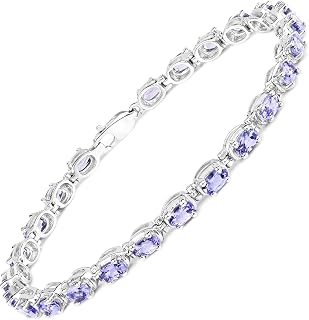
A romantic mood moves differently. It leans toward finer chains, delicate sparkle, soft curves, subtle charm-like details, and pieces that feel luminous rather than severe. Romantic bracelets pair beautifully with draped dresses, blouses, silk textures, light knits, and feminine tailoring. They soften the wrist and create a sense of fluidity. Romance in 2026 is not sugary or overly precious; it is graceful, airy, and polished.
Then there is the bold mood, which does not necessarily mean oversized. Boldness can come from confident proportion, from a sculptural cuff, from a strong curb chain, or from an emphatic mixed-metal pairing that defines the look immediately. A bold bracelet works especially well when the clothing is otherwise edited. It becomes the punctuation mark of the outfit. Worn with a crisp shirt, a slip dress, or a simple knit, it communicates certainty and style fluency.
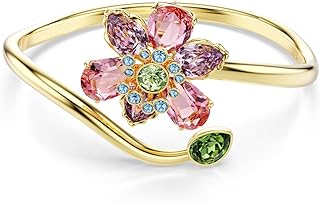
Sculptural styling sits somewhere between art and jewelry. These are bracelets with curves, asymmetry, contour, volume, or unusual geometry. Their role is not only to accessorize but to shape the visual mood of the wearer. They suit women who are drawn to design, to lines, to silhouettes that feel intelligent and directional. On the right wrist, a sculptural bracelet can do what a great designer bag does: elevate a look instantly through form alone.
The beauty of a considered bracelet edit is that it can accommodate more than one of these moods. A woman can be minimalist at work, romantic at dinner, bold at an event, and sculptural on a weekend city outing. Jewelry should not trap style; it should expand it. A strong wardrobe is not rigid. It is coherent across changing moods.


Bracelets and Clothing: The Best Pairings
One of the easiest ways to improve jewelry styling is to think about the sleeve. The relationship between bracelet and garment is far more important than many shoppers realize. Sleeves frame the wrist, and that framing determines how jewelry reads. A bracelet peeking from a crisp shirt cuff feels deliberate and classic. A structured blazer with the sleeve pushed back slightly creates a sharp backdrop for a cuff or stack. Short sleeves allow bracelets to read more openly, while sleeveless tops make the wrist a central styling zone.
Shirts are ideal partners for bracelets because they create contrast between softness and polish. A fine chain bracelet under a cotton cuff feels intimate and chic. A polished bangle beside a rolled sleeve looks confident and intelligent. White shirts, pale blue poplin, striped menswear-inspired shirting, and fluid silk blouses all benefit from wrist detail. The bracelet introduces femininity, structure, or shine depending on the chosen piece.
Knitwear requires a slightly different strategy. Dense knits and long sleeves often look best with one stronger bracelet rather than many. A sculptural cuff outside the sleeve or a polished bangle visible at the wrist edge can be very effective. Fine knits, on the other hand, support slimmer pieces and more delicate shine. The key is proportion. The bracelet should respond to the weight of the fabric.
Dresses create some of the most elegant bracelet moments, especially when they feature clean necklines or unbroken lines through the body. A bracelet adds detail without interrupting the dress silhouette. Day dresses pair beautifully with stackable chains, refined bangles, or mixed-metal combinations. Evening dresses can carry more brilliance or stronger form. The wrist is particularly important with dresses because it helps prevent the look from feeling unfinished or too flat.
Tailored trousers, denim, and jumpsuits all benefit from bracelet styling as well. With practical clothing, jewelry provides softness and intention. A denim look with elegant bracelets feels elevated. Tailored separates with jewelry feel complete. Even relaxed travel outfits can take on polish with one well-chosen bracelet. This is the quiet power of wrist dressing: it upgrades a look without demanding a full transformation.


Jewelry That Works for Gifting
Bracelets are among the most rewarding categories to gift because they carry intimacy without the sizing complexity of some fashion pieces. A bracelet can feel personal, thoughtful, and celebratory whether the occasion is a birthday, anniversary, holiday, graduation, bridesmaid moment, thank-you gesture, or simple act of affection. It is wearable, visible, and often immediately useful. More importantly, it sits in that ideal zone between luxury and everyday life: special enough to remember, practical enough to wear often.
The most giftable bracelets tend to be the most versatile. Clean bangles, refined chain designs, delicate sparkle, and elegant cuffs usually work across a broad range of wardrobes because they can be dressed up or down. A gift becomes more successful when the wearer can imagine it with clothes she already owns. Neutral metal finishes, classic silhouettes, and soft polish are especially strong choices because they resist trend fatigue while still feeling current.
What gives a bracelet gifting appeal is not only its beauty but its symbolism. The wrist is expressive. Jewelry worn there becomes part of everyday gesture, which means it is seen and felt regularly. That lends emotional resonance to the piece. A bracelet can become a memory marker, a signature item, or a quiet companion worn far more often than a highly formal gift tucked away for rare occasions.
Stackable bracelets are particularly attractive as gifts because they leave room for future additions. One elegant piece can become the beginning of a collection. This is a beautiful idea for milestone dressing. The first bracelet is not the entire story; it is the opening line. Over time, the wrist gains layers of memory and style. Few accessories support this kind of ongoing narrative as naturally as bracelets do.
When gifting with design in mind, presentation matters as much as selection. Choose pieces that feel polished, easy to style, and visually graceful. Avoid anything that depends too heavily on novelty. The most enduring gifts tend to be the ones that feel both current and timeless. That balance is the essence of designer-minded jewelry shopping.
How to Choose a Bracelet That Feels Expensive
Not every luxurious-looking bracelet has to be dramatic. In fact, expensive-looking jewelry often succeeds through discipline rather than extravagance. The first thing to study is proportion. A bracelet that feels elegant usually has clear, resolved scale. It is not awkwardly thin, nor unnecessarily bulky. Its links, curves, stones, or surfaces feel intentional. This sense of balance is what makes a piece look designed rather than generic.
Finish is the next critical factor. Smooth polish, even texture, crisp edges, and thoughtful detailing all contribute to the perception of quality. Jewelry that catches light cleanly tends to read more elevated. Pieces with messy transitions, imbalanced visual weight, or overly busy decoration can feel less refined even when they are eye-catching. The strongest bracelets understand restraint. They know where to stop.
Shape matters too. Curved forms that sit well on the wrist naturally feel more considered. Cuffs with graceful openings, bangles with subtle contour, and chains with clean line progression all appear more sophisticated because they respect the anatomy of wear. A bracelet should look as though it belongs to the wrist, not simply hangs from it.
Versatility is also a marker of elegance. The more easily a bracelet can move across clothing types and occasions, the more luxurious it feels in real life. A piece that works only for one specific outfit may look interesting, but a piece that can elevate tailoring, casualwear, dresses, and evening dressing feels far more valuable. Luxury is often measured by how naturally something integrates into life.
Lastly, styling determines whether a bracelet reads expensive. Even the most refined piece can lose impact if overloaded with too many competing accessories. Give it context. Pair it with clean grooming, thoughtful sleeves, and outfits with clear lines. Let it breathe. Quality becomes visible when the surrounding styling respects it.
The Rise of the Curated Jewelry Edit
The most stylish women are no longer shopping jewelry as isolated impulse items. They are building edits. This is one of the clearest signs of fashion maturity in 2026. Instead of buying pieces that each try to serve every purpose, they choose a focused bracelet wardrobe with defined roles. One or two polished bangles for timeless dressing. A chain bracelet for relaxed sophistication. A cuff for structure and power. A sparkle-forward piece for evening or elevated daywear. Perhaps a mixed-metal option for flexibility. Each selection serves the overall wardrobe, and together they create range without clutter.
This editorial approach changes the experience of shopping. It replaces endless browsing with visual strategy. Rather than asking whether a bracelet is pretty in isolation, the better question becomes: what does this piece add to the wardrobe I already have? Does it introduce softness, shine, structure, statement, versatility, or occasion value? Does it speak to the woman I am dressing as most often? These questions produce stronger choices because they connect jewelry to life rather than novelty.
The curated edit also makes styling easier. When bracelets belong to the same aesthetic family—even if they vary in mood—they work together more naturally. This coherence is what allows a wrist stack to feel polished instead of accidental. It is what allows a woman to reach for a bracelet quickly and know it will integrate well. Coherence is not sameness. It is harmony.
Another advantage of a curated bracelet wardrobe is repetition without boredom. When pieces are chosen thoughtfully, they can be styled in multiple combinations, each creating a slightly different effect. The same bangle may appear minimalist one day and glamorous the next depending on its companions. The same chain bracelet may feel casual with denim, elegant with tailoring, and romantic with a dress. Great jewelry offers this kind of shifting utility.
Ultimately, the curated edit reflects a broader fashion truth: style deepens when choices become more intentional. Bracelets are a perfect place to practice that intention because they are expressive, compact, and endlessly versatile. A well-built wrist wardrobe can say as much about taste as an entire closet.
Care, Longevity, and Repeat Wear
A bracelet earns its place in a wardrobe when it is worn often. Repeat wear is one of the clearest indicators of a successful purchase. It means the piece works with real clothing, real schedules, and real mood shifts. To support that kind of use, care matters. Jewelry that is handled thoughtfully not only lasts longer but retains the visual integrity that makes it feel luxurious.
The first principle of bracelet care is mindful storage. Pieces should not be tossed together in a way that invites scratching, tangling, or surface wear. Bangles and cuffs benefit from breathing room. Delicate chains and stone-accented bracelets should be laid or hung carefully so they maintain shape. Good storage is not merely protective; it also encourages intentional dressing because the pieces remain visible and accessible.
It also helps to consider when bracelets are worn and how they interact with daily habits. Pieces intended for regular styling should feel suited to movement, commuting, office life, dinners, weekends, and travel. The better the lifestyle match, the more frequently a bracelet will be reached for. This is why wearability is part of luxury. A piece that remains in a box cannot become part of personal style.
Cleaning and maintenance preserve finish and clarity. Smooth metals look best when fingerprints and residue are removed. Sparkle-forward styles become more elegant when light can move cleanly across their surfaces. Texture reads more beautifully when it is not dulled by neglect. Gentle, regular care supports the long life of a bracelet without turning ownership into work.
The deeper point is that jewelry gains character through use. A bracelet that accompanies a woman through many kinds of days becomes part of how she is seen and how she sees herself. It is worn in meetings, at dinners, on vacations, at celebrations, and in quiet ordinary afternoons. That is the beauty of choosing well. Jewelry is not only an accessory; it becomes part of lived style.
Why Bracelets Matter More Than Ever in 2026
Fashion is full of categories that flash brightly and fade. Bracelets are not among them. Their significance in 2026 comes from their unusual blend of permanence and adaptability. They belong to a long tradition of adornment, yet they continue to evolve with each new approach to dressing. Right now, that evolution feels particularly compelling because the bracelet aligns so perfectly with the needs of the modern wardrobe. Women want pieces that can move between roles, add polish without effort, and make even simple outfits feel intentional. The bracelet does exactly that.
It is also one of the most human categories in fashion because it lives in motion. Shoes are seen in stride, coats in silhouette, bags in function. Bracelets are seen in gesture. They catch light when a hand is raised, when hair is tucked back, when a glass is lifted, when a page is turned, when a door is opened. They are part of expression. This subtle intimacy is what gives them emotional power. A bracelet does not simply decorate the body; it accompanies it.
The current fashion mood—cleaner, sharper, more wardrobe-focused, more invested in repeat wear—has made bracelets especially relevant. They fit the rise of tailored ease, quiet luxury, refined evening dressing, polished casualwear, and designer-minded layering. They are not dependent on one trend wave. They can be minimal or expressive, soft or strong, delicate or bold. That elasticity makes them incredibly useful.
What ultimately makes bracelets essential now is that they offer an accessible form of transformation. A woman does not need a completely new wardrobe to look renewed. Sometimes she needs one piece at the wrist that shifts the mood of everything she already owns. A bracelet can do that with elegance. It can add gravity, softness, light, glamour, definition, or a feeling of completion. That is not a small contribution. It is the kind of styling intelligence that builds personal style over time.
This is why a considered bracelet edit belongs at the center of a modern jewelry wardrobe. It is practical, beautiful, expressive, and endlessly adaptable. Whether the goal is to refine daywear, enrich evening dressing, build better stacks, gift thoughtfully, or simply enjoy jewelry that feels relevant and wearable, the right bracelet becomes far more than an accessory. It becomes the finishing language of style.
Small-scale visuals, strong visual rhythm
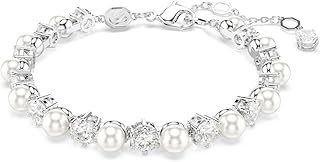
These bracelet visuals are intentionally kept compact in the layout so the page preserves clarity, elegance, and image quality while still feeling rich and collectible.


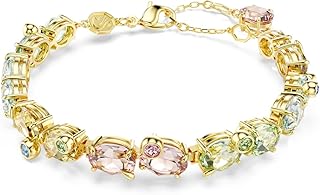
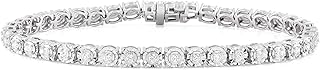


A bracelet edit that moves with real dressing
From office-ready shirts and knitwear to evening dresses and polished weekend separates, the strongest wrist pieces are the ones that shift context without losing identity.


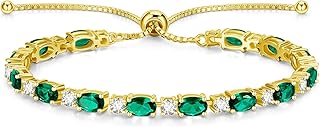


The wrist is where detail becomes signature style
A beautifully chosen bracelet does more than accessorize. It edits a look, finishes a silhouette, and adds character to even the simplest wardrobe. That is why bracelets remain one of the most quietly powerful categories in fashion for 2026.
Whether the preference is for smooth bangles, clean cuffs, luminous chain bracelets, minimal mixed-metal styling, or elegant layered stacks, the most compelling pieces are the ones that feel easy to wear and impossible to overlook once they catch the light.